This post may contain affiliate links.
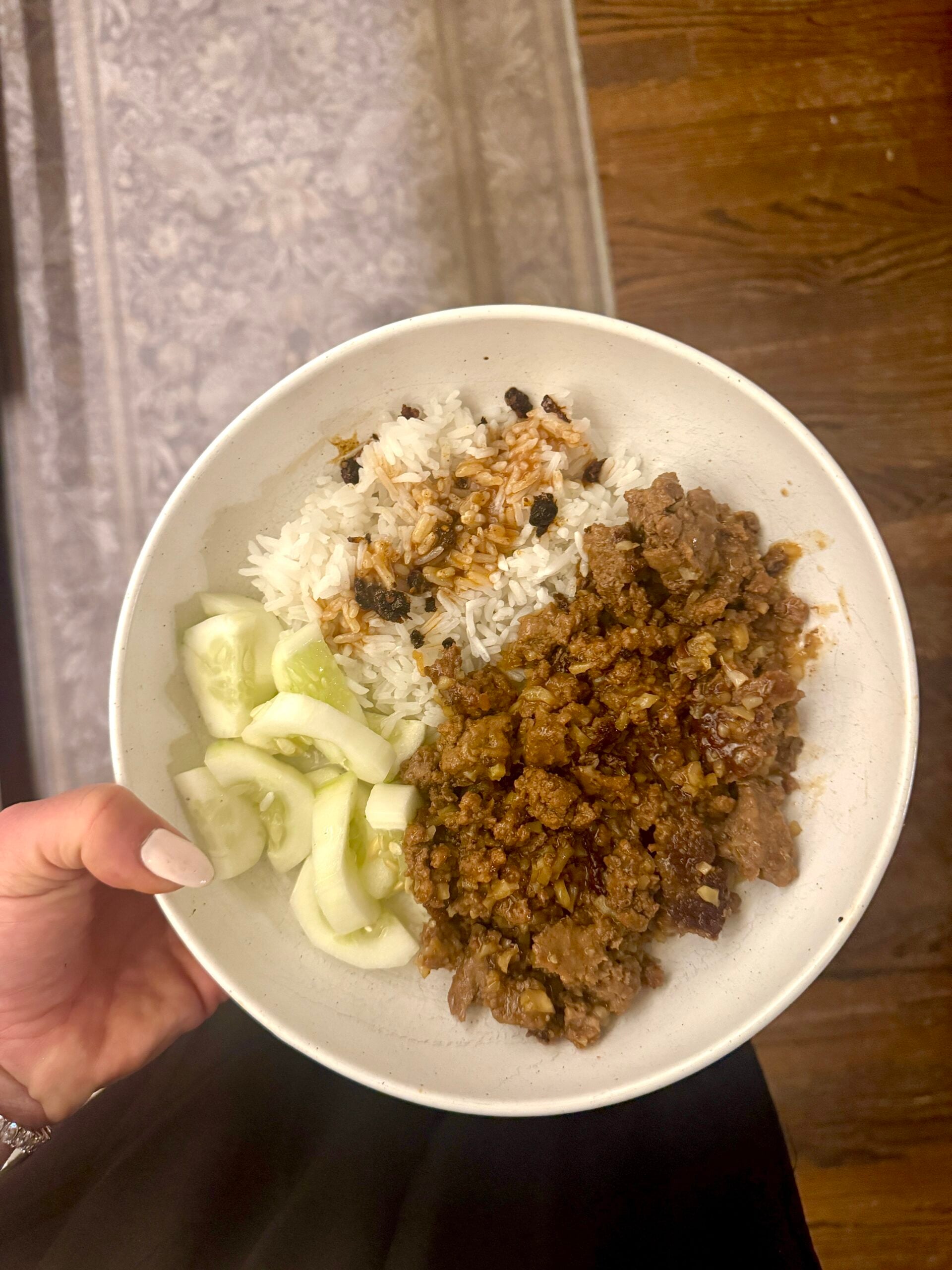
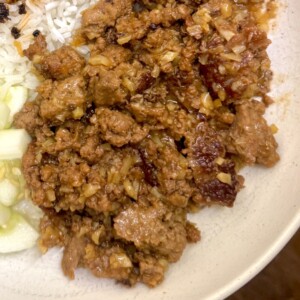
Friends, meet my Supper Sauce, the workhorse of my kitchen. This version has an Asian flair, and I use it with ground beef, ground chicken, steak bites, pork, salmon, shrimp, and tofu. It’s the staple I always keep in my fridge for those nights when I want dinner on the table basically immediately. And it works beautifully every time.
This is a simple sauce to put together. A quick simmer reduces the sauce slightly and thickens it just enough to take it from good to great. It keeps for weeks in the fridge, so I like to double or triple the recipe and keep some on hand for busy weeknights.
A few easy swaps: if you’re out of oyster sauce, use a tablespoon of maple syrup or honey. Fresh ginger can stand in for the ground ginger if you have some kicking around, and if you’re gluten free, swap the soy sauce for coconut aminos. (Go easy on the added salt when you use this sauce, since soy sauce packs a good amount of sodium even when it’s low sodium.)
Make a batch this week, keep it in the fridge, and you’ll have a fast, flavorful dinner ready whenever you need it. I feel like I need a different Supper Sauce for every night of the week….wait just a second, I may be on to something!
Ingredients
Low-sodium soy sauce – The salty, savory base of the sauce. Use coconut aminos to make it gluten free.
Homemade or low-sodium beef stock – Adds body and a rich, savory depth, and keeps the sauce from tasting too salty.
Fish sauce (Red Boat is my favorite) – A little goes a long way. It adds deep umami flavor without tasting fishy once cooked.
Rice vinegar – Brings a mild tang that brightens the richer ingredients.
Oyster sauce – Adds a subtle sweetness and glossy richness. No oyster sauce? Use a tablespoon of maple syrup or honey.
Toasted sesame oil – Gives the sauce its nutty, toasty Asian flavor.
Garlic cloves, grated – Grating makes them melt into the sauce for savory flavor in every bite.
Granulated ginger – Adds warm, zesty spice. Fresh ginger can stand in if you have some on hand.
Cornstarch – The thickening agent. Whisked with water into a slurry, it gives the sauce its glossy, clingy consistency.
How to Make my Supper Sauce
Make the sauce
- Combine: In a small saucepan, combine all of the ingredients except the cornstarch and whisk for a few seconds.
- Heat: Place the pan over medium-high heat, covered, and bring to a boil.
- Make the slurry: While the sauce comes to a boil, combine the cornstarch and 3-4 tablespoons of water in a small bowl. Whisk with a fork and set aside. This is your thickening agent, so the sauce ends up with the consistency of one that has simmered for hours (but we know better).
- Thicken: When the sauce reaches a boil, turn the heat down to medium-low and remove the lid. Add the slurry and whisk constantly for about 10 seconds.
- Simmer: Let the sauce simmer for 4-7 minutes, until slightly thickened. To test for doneness, dip a spoon into the sauce and run your finger along the back of the spoon. If it leaves a clean streak, the sauce is ready.
Use the sauce
- Cook the base: Heat a wok or skillet over medium-high heat. Cook your meat, seafood, or tofu until almost done, adding the vegetables as well.
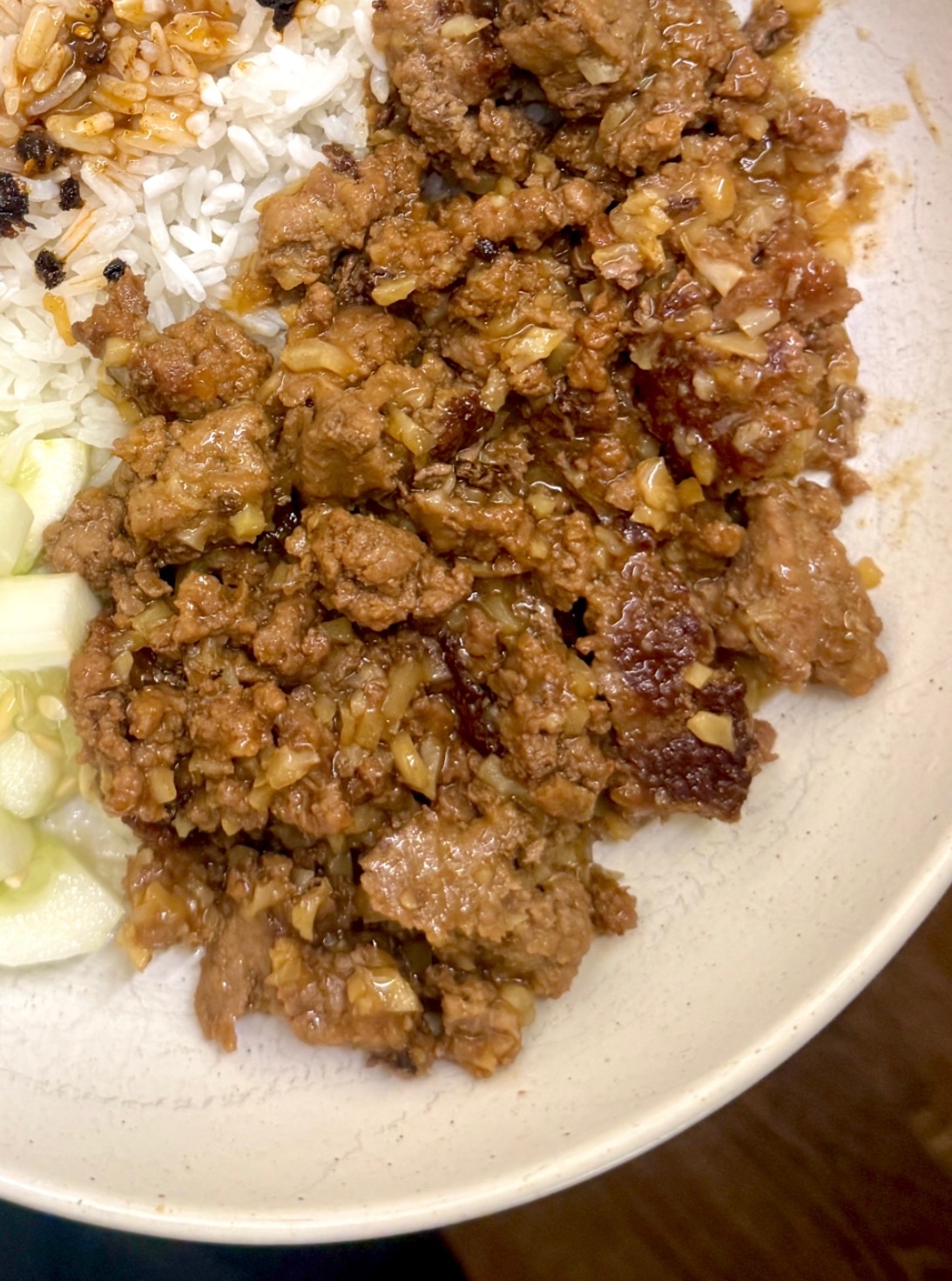
- Add the sauce: Drizzle the sauce into the pan (you won’t use all of it) and cook, stirring, until everything is coated and looks glossy and tender. It needs less than a minute since the sauce has already been reduced.
- Serve: Serve over rice or the Asian noodles of your choice.
Commonly Asked Questions
You can whisk everything together and use it as a thinner sauce, but the cornstarch needs heat to thicken. If you want the glossy sauce that coats the meat and vegetables, I suggest simmering it as written.
It keeps for weeks in the fridge. Cool it completely first, then store it in an airtight jar.
I haven’t tested it, but sauces like this generally freeze well. Thaw it in the fridge and give it a good whisk or stir before using.
Ground beef, ground chicken, steak bites, pork, salmon, shrimp, and tofu all work beautifully. It’s a true workhorse.
Swap the soy sauce for coconut aminos. Also check your oyster sauce and fish sauce labels, since some brands contain wheat. You can skip the oyster sauce and use maple syrup or honey instead.
Asian Influenced Supper Sauce
Ingredients
- 1 cup low-sodium soy sauce
- ½ cup homemade or low-sodium beef stock
- ¼ cup fish sauce, Red Boat brand is my favorite
- 2 tbsp rice vinegar
- 1 tbsp oyster sauce
- 2 tbsp toasted sesame oil
- 2 garlic cloves, peeled and grated
- 1 tsp granulated ginger
- 1 tbsp cornstarch
Instructions
Make the Sauce
- Combine: In a small saucepan, combine all of the ingredients except the cornstarch and whisk for a few seconds.
- Heat: Place the pan over medium-high heat, covered, and bring to a boil.
- Make the slurry: While the sauce comes to a boil, combine the cornstarch and 3-4 tablespoons of water in a small bowl. Whisk with a fork and set aside. This is your thickening agent, so the sauce ends up with the consistency of one that has simmered for hours (but we know better).
- Thicken: When the sauce reaches a boil, turn the heat down to medium-low and remove the lid. Add the slurry and whisk constantly for about 10 seconds.
- Simmer: Let the sauce simmer for 4-7 minutes, until slightly thickened. To test for doneness, dip a spoon into the sauce and run your finger along the back of the spoon. If it leaves a clean streak, the sauce is ready.
- Store: If you’re saving it for later, cool it completely before refrigerating.
Use the Sauce
- Cook the base: Heat a wok or skillet over medium-high heat. Cook your meat, seafood, or tofu until almost done, adding the vegetables as well.
- Add the sauce: Drizzle the sauce into the pan (you won't use all of it) and cook, stirring, until everything is coated and looks glossy and tender. It needs less than a minute since the sauce has already been reduced.
- Serve: Serve over rice or the Asian noodles of your choice.
Nutrition
Nutrition information is automatically calculated, so should only be used as an approximation.